Camden Council rules for street flower stalls in Hampstead
Posted on 21/10/2026
Camden Council rules for street flower stalls in Hampstead: what traders need to know
If you are planning a street flower stall in Hampstead, the Camden Council rules can feel a bit opaque at first. One minute you are thinking about buckets, blooms, and a good pitch near footfall; the next you are dealing with permissions, obstruction concerns, and the small print that decides whether your stall can actually operate. The good news? Once you understand how Camden Council rules for street flower stalls in Hampstead usually work in practice, the picture becomes much clearer.
This guide breaks it down in plain English. You will learn why the rules matter, what they typically cover, how to approach them step by step, and where stallholders often trip up. We will also look at practical compliance, useful planning tips, and the kind of decisions that make a real difference on the ground. Because let's face it, a well-run flower stall should feel welcoming, not like a paperwork headache.
Why Camden Council rules for street flower stalls in Hampstead Matters
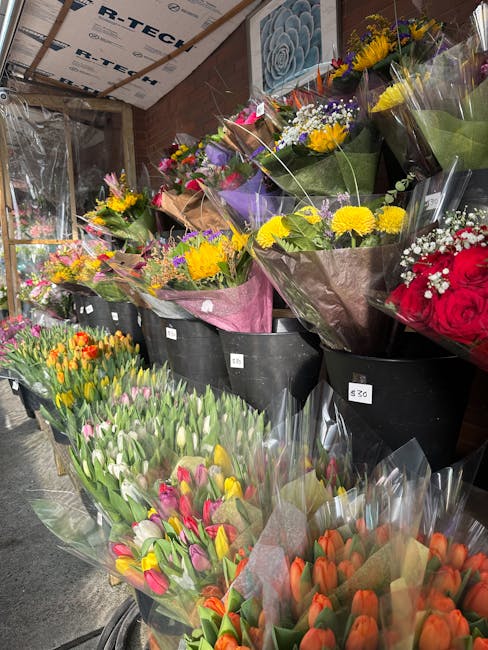
The rules matter because a street flower stall is not just a pretty retail setup; it is a public-facing business using shared space. In Hampstead, that means the council will expect the stall to fit into the street scene without causing congestion, safety issues, or friction with nearby businesses and residents.
Hampstead has its own character. Busy pavements, narrow streets in places, school runs, weekend walkers, cafe queues, and those sudden surges when the weather turns bright. A flower stall can work beautifully in that environment, but only if it is placed and managed with care. A stall that is slightly too wide, too close to a crossing, or badly lit after dusk can create problems very quickly. To be fair, most issues are avoidable with decent planning.
The rules also matter because they help protect your business. If you trade informally or assume a pitch is available just because others are nearby, you risk complaints, enforcement action, or being asked to move on. That is stressful, and it can damage goodwill before you have really got started. Better to get the structure right from day one.
Expert summary: The safest approach is to treat a street flower stall in Hampstead as a regulated public operation, not just a casual roadside setup. Think about access, visibility, footway width, waste, weather protection, and how your display affects people moving through the space.
How Camden Council rules for street flower stalls in Hampstead Works
While every location and trading arrangement can differ, the general principle is straightforward: if you want to operate a street flower stall in Hampstead, you need to understand what permission is required, where you can trade, and what conditions will apply. The exact route depends on the specific site, the type of stall, and whether the land is on the public highway or private property.
In practice, the council will usually care about a few core things:
- Whether the stall is on a permitted site or requires separate approval.
- Whether the stall obstructs pedestrians, wheelchairs, buggies, cyclists, or emergency access.
- Whether the stall is safe, tidy, and stable in all weather.
- Whether operating hours are suitable for the area.
- Whether goods, displays, signage, and waste are controlled properly.
- Whether the activity creates noise, nuisance, or visual clutter.
If you are using a pitch in or around a busy Hampstead street, you should also expect scrutiny around the practical details. Is there enough room for passers-by to move comfortably? Can a delivery vehicle stop without blocking traffic? Will the stall spill over into the clear path of travel? These are the sort of everyday realities that decide whether a site is workable, not just whether it looks appealing on paper.
You should also distinguish between a market-style stall, a temporary floral stand, and a more permanent arrangement. The more fixed and commercial the operation becomes, the more likely it is that formal permission, licensing, or site-specific conditions will apply. There is no one-size-fits-all answer here, and that is exactly why checking the position early matters.
Key Benefits and Practical Advantages
It may sound counterintuitive, but following the rules properly often gives you more freedom, not less. Once the legal side is clear, you can focus on selling flowers instead of worrying whether someone will challenge your pitch halfway through a busy morning.
- Stability: a proper arrangement is less likely to be interrupted by complaints or enforcement.
- Local trust: residents and nearby businesses are more comfortable with a stall that looks orderly and considerate.
- Better trading conditions: a compliant stall tends to operate more smoothly, especially in busy pedestrian areas.
- Brand credibility: a well-run street display feels professional, which matters in a place like Hampstead.
- Lower risk: fewer issues with obstruction, safety, or waste usually means fewer headaches later.
There is also a subtle commercial benefit. Flowers are emotional purchases. People buying a hand-tied bunch on a crisp morning want calm, beauty, and confidence. A neat stall with clear pricing and fresh stock does that job far better than a cramped, cluttered one. It sounds obvious, but sometimes the simplest things are the real edge.
And if you are comparing the street stall route with another way of selling, such as delivery or a shop-based model, the regulated pitch can still be a useful low-overhead option. It just needs to be managed properly.
Who This Is For and When It Makes Sense
This topic is relevant to a few different kinds of people, and they do not all have the same goals.
- Independent florists who want a visible street presence in Hampstead.
- Small business owners testing a local market before committing to a permanent shopfront.
- Event florists who want a seasonal or pop-up display.
- Existing traders looking to understand whether a new pitch is possible.
- Local entrepreneurs who need clarity before spending money on stock, refrigeration, transport, or stall equipment.
It makes sense to focus on Camden Council rules for street flower stalls in Hampstead if you are trying to do any of the following:
- open a legal, reliable flower stall in a public-facing location
- avoid issues with obstruction or neighbourhood complaints
- understand whether your business idea is practical before investing
- reduce the risk of enforcement or disruption
- build a better trading setup around footfall and local demand
Some traders also come at this from the opposite direction. They already have flowers, display stands, and supplier arrangements, but they have not thought carefully about permissions. That can be where the trouble starts. A good idea is still a good idea, but only if it fits the location.
Step-by-Step Guidance
If you are approaching this for the first time, the process becomes much easier when you break it into clear stages. No drama, just method.
- Define the exact trading model. Decide whether you are setting up a temporary stall, a recurring pitch, or a more established street trading setup. The rules can differ quite a bit depending on what you are actually doing.
- Identify the precise location. Hampstead is not a generic backdrop. A pitch on one street may be treated differently from another depending on traffic, pavement width, nearby businesses, and land ownership.
- Check whether the pitch is on public highway or private land. This is a crucial distinction. Public highway use often brings different permissions and conditions than private forecourt trading.
- Ask what permission or licence is needed. Depending on the site, the council may require a formal application, a street trading arrangement, or another form of approval.
- Plan your stall layout. Measure the footprint, the display area, the queue space, and any access route needed for customers and pedestrians. A tape measure is not glamorous, but it saves arguments.
- Prepare your stall for weather and safety. Flowers and buckets can be surprisingly awkward in wind, rain, or strong sun. Stability matters.
- Agree your operating hours and delivery routine. Early set-up and late pack-down can both affect neighbours, traffic, and how the council views your operation.
- Build a tidy waste plan. Removed stems, packaging, and wet cardboard all need somewhere to go. Nothing spoils a beautiful display faster than soggy litter underfoot.
- Keep records. Save copies of permissions, site plans, correspondence, and any conditions attached to the pitch. When questions come up, you will want answers fast.
- Review and adjust. Even if the stall works in theory, you may need to tweak display height, stock volume, or presentation once real footfall starts.
One small but important point: do not treat the first day as the final day. A stall can look fine in a quiet midweek slot and feel very different on a Saturday morning with dog walkers, deliveries, and a bit of drizzle. London has a talent for changing the mood in ten minutes.
Expert Tips for Better Results
Here is where the practical side really starts to matter. The best street flower stalls are rarely the biggest ones. They are the best organised.
1. Keep the footprint lean.
In a place like Hampstead, a smaller and neater setup often performs better than a sprawling one. Leave comfortable movement space wherever possible.
2. Think in sightlines.
Customers should be able to spot the stall, read prices, and understand the offer without wandering into the road or squinting at messy labels.
3. Use seasonal stock wisely.
Seasonal flowers help you manage freshness and reduce waste. They also create a more natural, attractive display. A summer mix can look wonderful, but autumn tones can be just as powerful when the weather turns cooler.
4. Build a display that can survive real life.
Rain, gusts, deliveries, and the occasional awkward passer-by happen. Secure buckets properly, keep bases level, and avoid overloading stands.
5. Be neighbourly.
This sounds soft, but it really matters. A quick hello to nearby businesses, clear access for doorways, and a tidy close-down routine can prevent unnecessary complaints.
6. Use pricing that is easy to read.
Customers buy faster when the price is visible. Ambiguity slows things down and makes the stall feel less trustworthy.
7. Plan for early mornings.
Flower trading often starts before the area is fully awake. Quiet set-up, minimal disturbance, and efficient unpacking help a lot.
Truth be told, a stall can lose more trade from clutter than from lack of flowers. People are drawn to calm, order, and freshness. That is the whole game, really.
Common Mistakes to Avoid
Most problems with street flower stalls are not dramatic legal disasters. They are the kind of avoidable mistakes that build up into complaints or delays.
- Assuming the pitch is automatic. A good-looking space is not the same thing as a permitted space.
- Ignoring footway access. A stall that narrows pedestrian flow can create immediate issues, especially at busy times.
- Overcrowding the display. Too many buckets, signs, and stands make the whole setup feel messy and harder to manage.
- Forgetting waste handling. Wet packaging and spent flowers can make a site look untidy fast.
- Setting up without checking boundaries. A few inches can matter more than people expect.
- Using unstable equipment. If the wind picks up, a lightweight display can become a problem in seconds.
- Neglecting neighbour relations. One complaint can be enough to trigger attention, especially in a sensitive local area.
- Failing to keep documents accessible. If someone asks for proof of permission, you should not be hunting through three phones and a paper bag.
A tiny human moment: most traders know the difference between a lovely bustle and a chaotic mess. Customers do too. You can almost feel it when you walk past. One looks inviting; the other looks like it needs a deep breath.
Tools, Resources and Recommendations
You do not need a giant kit list to get started, but a few practical tools make compliance and trading much easier.
- Measuring tape: essential for pitch layout, access width, and display planning.
- Weatherproof containers: sturdy buckets and weighted bases reduce spill risk.
- Clear price signage: simple, legible signs help customers and reduce back-and-forth.
- Waste bags and liners: keep them close and replace them frequently.
- Basic cleaning kit: cloths, wipes, and a brush help the stall stay presentable.
- Site folder or digital folder: store permissions, contact details, and any site notes together.
- Stock rotation plan: know what needs selling first, especially in warmer weather.
For product planning, it can help to look at how your retail offer is presented online as well as on the street. A neat range of best-selling flowers can guide what to keep on the front tables, while specialist ranges like luxury flowers can help you decide how to position premium stems without overcrowding the stall.
If your business also depends on local delivery, the stall should sit neatly alongside a broader service model. That is where pages such as flower delivery in Hampstead Garden Suburb and same-day flower delivery can be useful for shaping your wider offer, even if the street stall is the face of the business.
Law, Compliance, Standards, or Best Practice
This is the section where you slow down a little and get careful. Camden Council rules for street flower stalls in Hampstead sit within a broader framework of street trading controls, public safety expectations, highway considerations, and local nuisance management. The exact legal route depends on the site and the setup, so it is wise not to assume that a rule from one location will automatically apply to another.
In practical terms, good compliance usually means:
- having the right permission for the pitch or trading activity
- following any conditions attached to the site or licence
- keeping the pavement clear and safe
- maintaining a clean, professional appearance
- managing waste responsibly
- avoiding unreasonable noise or obstruction
There may also be wider obligations around business operation, insurance, staff safety, and consumer transparency. If you are selling to the public, clear pricing and honest presentation are not just good manners; they are part of trust. No one likes hidden pricing. It puts people off straight away.
Best practice also means planning for the unexpected. Wet weather can affect access and display stability. A sudden delivery can interrupt the flow. A nearby event can change footfall. If your setup is flexible, you are more likely to stay compliant and profitable when conditions shift.
One useful principle: if your stall makes the street feel narrower, busier, or more difficult to navigate, you probably need to rethink the layout. That is the kind of judgement call that saves trouble later.
Options, Methods, or Comparison Table
There are a few ways to sell flowers in Hampstead, and each has different strengths. Choosing the right one depends on your budget, risk appetite, and how visible you want to be.
| Option | What it suits | Pros | Watch-outs |
|---|---|---|---|
| Street flower stall | High footfall, impulse buying, local visibility | Strong street presence, easy browsing, immediate customer contact | Permissions, weather exposure, space limits, compliance checks |
| Shopfront florist | Longer-term local business | More control, more storage, stronger branding | Higher overheads, less casual footfall |
| Delivery-focused florist | Broad local service area | Flexible, scalable, less dependent on a single pitch | Delivery logistics, packing, timing pressure |
| Hybrid model | Traders wanting both visibility and reach | Balanced exposure, multiple revenue streams | Needs more organisation and consistent stock planning |
For many traders, the hybrid route is the smartest. A modest stall can create local recognition, while delivery and seasonal product pages keep sales moving beyond the pavement. You do not have to choose only one path, after all.
If you are building a wider floral offer, browsing product categories such as all flowers, flowers in a vase, or florist choice can help you map what is practical to display versus what is better suited to delivery or pre-order.
Case Study or Real-World Example
Imagine a florist planning a small weekday stall near a busy Hampstead route. The owner wants enough display volume to attract passing trade, but not so much that the pavement feels cramped. They start by measuring the available space, checking access needs, and deciding on a compact selection: a few hand-tied bouquets, some seasonal bunches, and one premium option for special purchases.
At first, the stall looks beautiful in the yard. Fresh buckets, bright colour, neat wrapping. But when they test the setup in real conditions, a few things become obvious. The sign is too low and gets hidden by passing shoppers. One bucket sits slightly off balance on uneven paving. The packaging bin, placed too far away, slows down service and creates clutter. Nothing terrible. Just the sort of practical stuff that only shows up when you stand there with the morning traffic moving past and a breeze catching the display.
After adjusting the layout, the stall becomes easier to run. Customers can see prices. The walkway stays open. Waste is handled without fuss. Nearby traders are less irritated because the frontage looks tidy and does not spill into their doorway. That is what good compliance often looks like in real life: not perfection, but a calm, workable rhythm.
That kind of setup also makes it easier to connect the stall with online ordering. For example, a customer who spots the display can later place an order through send flowers Hampstead Garden Suburb or next-day flower delivery once they have seen the quality in person. Not bad at all, really.
Practical Checklist
Use this checklist before you trade.
- Have you confirmed the exact pitch or location?
- Do you know whether the site is public highway or private land?
- Have you checked what permission or licence is needed?
- Is the stall footprint measured and realistic for the space?
- Can pedestrians move safely past the display?
- Have you planned for wind, rain, and uneven paving?
- Are your signs clear and easy to read?
- Do you have a waste plan for packaging and cut stems?
- Are operating hours suitable for the area?
- Have you considered neighbour access, doorway clearance, and visibility?
- Are your documents stored where you can reach them quickly?
- Do you have a plan for stock rotation and freshness?
If you can tick most of those boxes, you are already ahead of many would-be traders. Small details, big difference.
Conclusion
Camden Council rules for street flower stalls in Hampstead are really about balance: public space, safety, local character, and commercial practicality. If you understand the pitch, respect the street, and keep the setup clean and flexible, a flower stall can be a lovely, viable part of local trading life.
The hardest part is often not the flowers. It is the planning. But once that is in place, everything else starts to feel lighter. You are no longer guessing; you are operating with confidence. And that confidence shows, especially in a place where people notice the details.
Get a free quote today and see how much you can save.
For traders building a broader floral business, it can also be worth exploring the wider site offer, including about us, guarantees, and contact us to align street trading with a stronger customer journey.
Frequently Asked Questions
Do I need permission to run a street flower stall in Hampstead?
In many cases, yes. The exact permission depends on the pitch, whether the stall is on public highway or private land, and how the trading setup is structured. It is best to confirm before buying stock or equipment.
Can I just set up where there is good footfall?
Usually not safely. A good-looking spot is not the same as an approved trading location. Footfall matters, but permission and safety come first.
What does Camden Council care about most for a flower stall?
The big concerns are pedestrian access, public safety, nuisance, cleanliness, and whether the stall fits the street environment without causing obstruction.
Are street flower stalls allowed all year round?
That depends on the site and any conditions attached to the permission. Some stalls may operate more easily at certain times of year, but you should not assume year-round trading is automatic.
How wide does the pavement need to be?
There is no safe one-line answer because it depends on the specific location, the stall footprint, and the flow of people. The key question is whether the public can pass comfortably and safely.
What happens if my stall blocks the pavement?
That can lead to complaints, requests to move, or enforcement action. It can also create practical problems very quickly, especially during busy periods.
Do I need different rules for a pop-up flower stand?
Possibly. Temporary and recurring setups can be treated differently from permanent or semi-permanent trading arrangements. Always check the exact site terms.
Can I sell flowers from a market-style stall instead of a fixed pitch?
Yes, if the location and permission route allow it. A market-style arrangement may be more flexible, but it still needs to fit the local rules.
What are the biggest mistakes first-time stallholders make?
The most common mistakes are assuming a pitch is available, underestimating space needs, ignoring waste management, and overlooking the impact of the stall on pedestrians and neighbours.
Is it better to combine a street stall with delivery?
Often, yes. A street stall gives visibility and local presence, while delivery helps smooth out sales and reach customers who do not pass by in person.
How should I present flowers to look professional on the street?
Keep the display compact, well-spaced, and easy to browse. Use clear pricing, fresh stock, and stable containers. A tidy stall usually sells better than a crowded one.
Where can I learn more about product ranges for a flower business?
It helps to review both seasonal and general ranges, including summer flowers, roses, and tulips, so you can match the stall offer to local demand and trading conditions.


