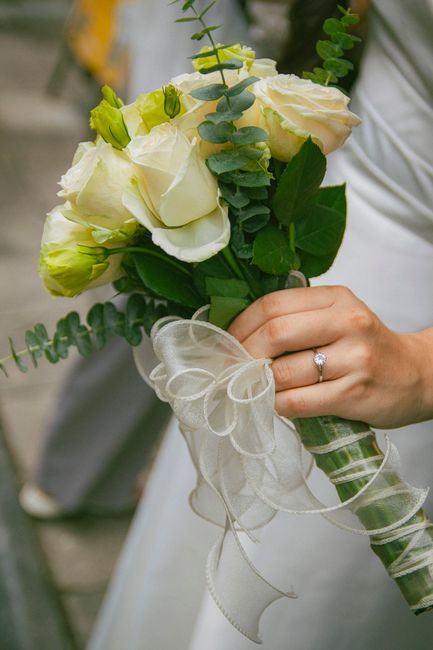
Wedding bouquets for Kenwood House ceremonies before and after
Posted on 05/10/2026
Planning Wedding bouquets for Kenwood House ceremonies before and after sounds simple at first, then the details start piling up. What should the bouquet look like in the morning? Will it still feel fresh after the ceremony? How do you choose flowers that suit Kenwood House, look beautiful in photos, and still hold together once the confetti has settled? Those are the real questions, the ones that matter when you are trying to keep the day calm and elegant.
In this guide, we will walk through the full flow of bouquet planning around a Kenwood House wedding day: the style choices, timing, practical handling, common mistakes, and how to make the bouquet work both before and after the ceremony. If you are weighing up bridal bouquets, bridesmaid flowers, or matching arrangements, this will help you make better decisions without the usual overwhelm. And yes, a bouquet really can be one of those tiny things that makes the whole day feel stitched together properly.
For couples building a full floral plan, it can also help to look at broader options such as wedding flowers and the more specific bridal bouquet collection, especially if you want the bouquet to sit neatly alongside the rest of the ceremony styling.
Table of Contents
- Why Wedding bouquets for Kenwood House ceremonies before and after Matters
- How Wedding bouquets for Kenwood House ceremonies before and after Works
- Key Benefits and Practical Advantages
- Who This Is For and When It Makes Sense
- Step-by-Step Guidance
- Expert Tips for Better Results
- Common Mistakes to Avoid
- Tools, Resources and Recommendations
- Law, Compliance, Standards, or Best Practice
- Options, Methods, or Comparison Table
- Case Study or Real-World Example
- Practical Checklist
- Conclusion
- Frequently Asked Questions
Why Wedding bouquets for Kenwood House ceremonies before and after Matters
Kenwood House has a very particular kind of elegance. It is historic without feeling stiff, romantic without being overly fussy, and that makes bouquet planning more important than people sometimes expect. A bouquet at Kenwood House is not just a prop for the aisle. It needs to work in the first quiet minutes before the ceremony, during the walk in, in photographs around the grounds, and then after the vows when you are greeting guests, heading for couple portraits, or moving into the reception. That is the "before and after" bit, and it matters more than you might think.
Before the ceremony, the bouquet sets the tone. It helps define the mood of the outfit, the colour story, and the overall feel of the day. After the ceremony, it becomes part of the photographic record and often stays with you through the most memorable candid moments. If it starts to wilt, snag, or feel awkward to hold, the look can unravel a bit. Truth be told, brides notice this far more than they expect to on the day.
At a venue like Kenwood House, where the setting already does a lot of the visual heavy lifting, the bouquet should support rather than compete. You want something polished, balanced, and comfortable in the hand. Not overworked. Not fragile to the point of panic. Just quietly beautiful.
Expert summary: the best bouquet for a Kenwood House wedding is one that looks refined in the ceremony, holds its shape through photos, and still feels effortless after the vows. The right design is never only about flowers; it is about timing, handling, proportion, and how the bouquet lives through the whole day.
How Wedding bouquets for Kenwood House ceremonies before and after Works
In practical terms, planning for "before and after" means thinking about bouquet performance across the full wedding timeline. A bouquet can be stunning in the morning and still be the wrong choice if it is heavy to carry, too soft for a longer wait, or too delicate for outdoor movement. Kenwood House weddings often involve a blend of indoor formality and outdoor atmosphere, so your bouquet needs to cope with changes in light, temperature, and movement.
Here is how the process usually works. First, the bouquet is designed around the dress, the season, the venue style, and the colour palette. Next, the florist considers structure: how tightly the flowers should be bound, how much greenery to use, whether the bouquet needs a water source, and how the stems should be wrapped for comfort and grip. Then comes the real-world bit: when it will be delivered, how long it will sit before the ceremony, and how it will be kept fresh while everyone else is doing the million other little wedding tasks.
After the ceremony, the bouquet often needs to survive a confetti moment, a quick hug line, and several photo stops. That is where mechanics matter. A bouquet with a stronger core and a sensible selection of flowers tends to travel better. Some blooms are naturally more robust, while others are gorgeous but a bit of a diva. Roses, lisianthus, orchids, and alstroemeria can behave very differently once the day gets moving. There is no shame in choosing flowers that are practical as well as pretty. In fact, that is usually the smart move.
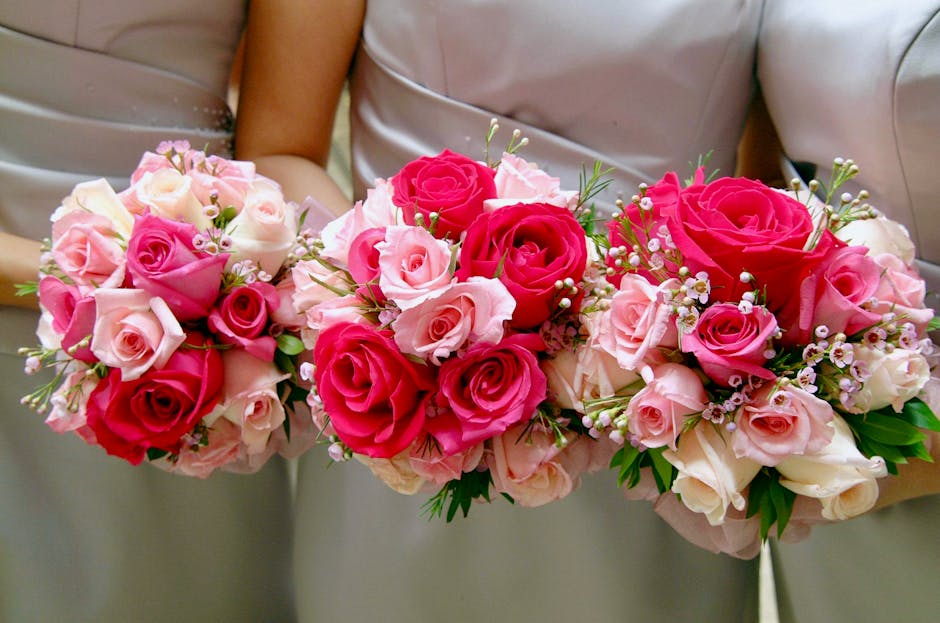
If you are deciding on a main bridal design, browsing options like bridal bouquet styles can help you compare looks before committing to a final direction. You can also pair the bouquet with matching bridesmaid bouquets so the whole wedding party feels coordinated rather than slightly accidental. That little bit of consistency always photographs well.
Key Benefits and Practical Advantages
When bouquet planning is done properly, the benefits go beyond simple prettiness. A good Kenwood House bouquet supports the whole flow of the day and reduces the chance of small, annoying problems creeping in. And let's face it, weddings have enough of those already.
- Better photographs: a bouquet that keeps its shape and colour balance looks better from the first posed shot to the last candid one.
- More comfort: lighter, well-proportioned bouquets are easier to carry while greeting guests or moving through the venue.
- Longer freshness: sensible flower selection and handling help the bouquet stay presentable before and after the ceremony.
- Stronger venue fit: designs that suit Kenwood House feel more intentional in historic interiors and grounds.
- Fewer styling clashes: the bouquet works with the dress, bridesmaid flowers, buttonholes, and table arrangements rather than fighting them.
There is also a quieter benefit that people sometimes overlook: confidence. When you know your bouquet is sorted, you stop thinking about it. That matters. You can relax into the ceremony instead of checking whether the flowers are drooping or the ribbon has come loose. A calm bride is a lovely thing to see, honestly. You notice it immediately in the photos too.
For couples planning a broader floral look, matching details such as wedding buttonholes and table arrangements can bring the day together in a way that feels cohesive without being over-designed.
Who This Is For and When It Makes Sense
This approach makes the most sense for couples getting married at Kenwood House who care about presentation, photography, and practical ease. If you are the sort of person who wants the bouquet to look good in the ceremony but also last through the rest of the day, this is absolutely for you. Same goes if you are working with a specific colour palette, planning an outdoor portrait session, or trying to avoid the classic "beautiful for 20 minutes, then slightly sad" bouquet problem.
It is especially useful if:
- your ceremony and reception are separated by time or location;
- you expect a lot of photographs before and after the vows;
- you want the bouquet to suit a historic or formal setting;
- you are carrying flowers through warmer weather or a longer wait before the ceremony;
- you want a bouquet that still looks polished by the time the confetti is cleared away.
It also makes sense for anyone who has a strong emotional attachment to flowers. Some brides want the bouquet to echo the dress perfectly. Others want it to carry a family colour, a sentimental bloom, or a softer seasonal feel. There is no single right answer here. Kenwood House is grand enough to support a classic bouquet, but it is not so formal that you cannot add personality. That is the nice part.
Step-by-Step Guidance
Below is a practical way to plan a bouquet that behaves beautifully before and after a Kenwood House ceremony. Keep it simple, but not rushed.
- Start with the venue and dress. Look at the shape of your dress, the neckline, the length of the train, and the setting at Kenwood House. A dramatic dress usually needs a bouquet with structure, while a cleaner silhouette can handle more looseness.
- Choose the bouquet style first, then the flowers. This is a small but useful distinction. Round hand-tied, loosely gathered, cascading, and garden-style bouquets all behave differently. Style affects weight, movement, and durability.
- Think about the ceremony timeline. If you will be waiting around for photographs or greeting guests before the ceremony, choose more resilient blooms and a shape that will not get crushed too quickly.
- Match the bouquet to the season. Seasonal flowers usually hold up better and feel more natural. They often look less forced too. A spring bouquet should not fight spring light, if that makes sense.
- Plan the transport and holding time. Ask when the bouquet will be made, how it will be kept in water, and when it will be handed over. This tiny detail saves headaches later.
- Decide what must happen after the ceremony. Will you keep carrying it for portraits? Will it need to look good in group shots? Will it be preserved or displayed later? That affects stem length, density, and handling.
- Check the finishing touches. Ribbon, tape, and stem wrap sound minor, but they matter in your hand and in photos.
A good florist will help you answer these questions, but it helps to know what you are asking for in the first place. That way, you are not just saying "something white and pretty" and hoping for the best. It happens more than you would think.
Expert Tips for Better Results
These are the small decisions that make a noticeable difference. Not dramatic, just quietly effective.
- Choose a bouquet that can breathe. Too tightly packed and it can look a bit stiff in photos. Too loose and it may not travel well. You want that middle ground.
- Use sturdy focal flowers. Roses, orchids, lisianthus, and alstroemeria often perform reliably. If you love softer flowers, mix them in rather than making them do all the work.
- Mind the weight. A bouquet that feels fine for five minutes can become a nuisance over a long day. Especially if you are carrying it for multiple photo locations.
- Keep ribbon neat and secure. The handle may not be the star of the show, but it is in every photo where your hands show.
- Ask for a bouquet that photographs at multiple distances. Some designs look perfect close up and disappear from a wider shot. Others are the reverse.
- Build in a little resilience. Flowers are living things. A bouquet with some structure is less likely to look exhausted by mid-afternoon. Very relatable, really.
One small tip from real-world experience: if you are between two bouquet sizes, the slightly smaller one often wins. Brides usually want elegance rather than bulk once they are actually holding it. The bouquet should support you, not require a bit of gym work.
Another thing. If you are wearing sleeves, lace, or fine beading, avoid bouquet finishes that snag. It is one of those annoyances nobody thinks about until the fabric catches. Then it is all anyone can think about. That is not where you want your attention on the morning of the wedding.
Common Mistakes to Avoid
Most bouquet problems are avoidable. They usually come from rushing, choosing by image only, or not thinking through the full day. Easy to do, to be fair.
- Picking flowers only for their appearance. Lovely blooms are great, but if they wilt quickly or bruise easily, the bouquet may not last well through the ceremony and photos.
- Ignoring the carry time. A bouquet that feels perfect during the vows may become awkward after twenty minutes of portraits and greetings.
- Overcomplicating the design. Too many flower types, too many colours, or too much texture can make the bouquet feel busy against a venue as elegant as Kenwood House.
- Forgetting the dress and posture. A bouquet should sit naturally in your hands and not hide the details of the gown.
- Not confirming delivery timing. Freshness depends on timing. If the bouquet arrives too early and sits around, it can suffer. Simple, but crucial.
- Leaving no plan for after the ceremony. If you want to keep the bouquet for portraits or preserve it later, say so in advance.
There is also a subtle mistake that happens with historic venues: trying to make the bouquet "match" the building too literally. You do not need a bouquet that looks as though it was borrowed from the wallpaper. Better to echo the mood - graceful, refined, timeless - rather than copy the venue too closely. That tends to work much better.
Tools, Resources and Recommendations
You do not need a huge toolkit to manage bouquet planning, but a few practical resources help a great deal. Think of them as your sanity-saving kit.
- Phone photo references: save images of dress, venue, and bouquet ideas in one folder. It sounds obvious. People still forget.
- Colour swatches: helpful for matching tones under indoor light and outdoor shade, especially at a venue with rich historic textures.
- Seasonal flower notes: even a simple list of preferred flowers and backup options will make the florist conversation much easier.
- Handling plan: decide who carries the bouquet before the ceremony, where it is stored, and who takes it after the vows if needed.
- Matching accessories: consider coordinating pieces such as buttonholes, corsages, and smaller bridesmaid flowers so the whole visual story feels complete.
For bouquet style inspiration, the site's dedicated wedding range is a useful starting point, especially if you want to compare more structured and more romantic looks. The weddings collection is a straightforward way to explore options without getting lost in unrelated products. If you are also sorting flowers for the rest of the event, it is worth looking at a few complementing pieces rather than treating the bouquet as a one-off.
You may also find it helpful to think about flower care in the days before the ceremony. A bouquet will always last longer if it is handled gently, kept cool where appropriate, and not left in hot sun or a dry room. Common sense, really, but on a wedding day common sense can become a rare flower.
Law, Compliance, Standards, or Best Practice
For bouquet planning itself, there is not a complex legal framework to worry about in the way there might be for catering or transport. Still, best practice matters. If you are working with a florist, clarity around delivery, payment, substitutions, and cancellation terms is important. Read the florist's terms carefully so you understand what happens if flower availability changes or timings shift.
At a venue like Kenwood House, you should also be mindful of venue rules, especially around deliveries, setup windows, and where flowers may be placed. Historic venues can have tighter procedures than modern spaces. That is usually for good reason: protecting the property, preserving access, and keeping the event running smoothly. The safest route is to confirm any requirements early and make sure the florist understands them too.
Best practice for bridal flowers also includes responsible handling of fresh blooms. Keep them hydrated when possible, avoid leaving them in heat, and transport them upright so stems and petals are not squashed. If you are using scented flowers, consider the comfort of the bridal party and close family members. Some scents are beautiful in tiny doses and a bit much in close quarters.
If you are ordering any complementary products, such as wedding corsages or table arrangements, make sure the style and delivery notes are consistent across the full order. It saves awkward last-minute questions and keeps everything aligned.
Options, Methods, or Comparison Table
Choosing a bouquet for before and after the ceremony often comes down to balancing style against stamina. The table below gives a quick comparison of the most common approaches.
| Bouquet style | Best for | Strengths | Things to watch |
|---|---|---|---|
| Compact hand-tied | Clean, elegant ceremonies | Easy to hold, neat in photos, good all-day comfort | Can feel too small if the dress or venue is very dramatic |
| Loose garden style | Romantic, soft, seasonal looks | Natural movement, beautiful texture, flattering in outdoor light | Needs careful construction so it does not collapse later |
| Cascading bouquet | Statement bridal looks | Dramatic, memorable, strong visual impact | Heavier and less convenient after the ceremony |
| Minimal modern bouquet | Simple contemporary styling | Lightweight, sleek, easy to carry | Needs very precise flower selection to avoid looking sparse |
For Kenwood House, the most dependable choice is often a compact or softly loose hand-tied design. It feels elegant in a historic setting and tends to hold up well across the day. That said, if your dress is bold and your styling is intentionally dramatic, a larger bouquet can work beautifully too. The key is proportion. Always proportion.
Case Study or Real-World Example
Consider a couple planning a late-spring ceremony at Kenwood House. The bride wants soft ivory and blush tones, the photographs are being taken both before the ceremony and after, and the reception is later in the day. She initially loves the idea of a very loose, wild bouquet. Gorgeous idea. But after discussing the timeline, she realises the bouquet will be carried for several hours, moved between locations, and used in a long photo session.
So the design is adjusted. The florist keeps the romantic feel but builds a slightly tighter core, adds more resilient blooms, and uses a balanced stem wrap that sits comfortably in the hand. The bouquet still looks airy in photos, but it does not sag after the vows. The bride gets the soft, elegant effect she wanted without sacrificing durability. That is the sort of compromise that usually works best.
Later in the day, the bouquet still looks composed in couple portraits near the grounds. Nothing overblown, nothing droopy. Just lovely. A bit like the day itself, really - calm on the surface, lots going on underneath.
This is why "before and after" planning matters. You are not just choosing flowers. You are choosing how they behave in real life.
Practical Checklist
Use this quick checklist to keep bouquet planning on track:
- Confirm your ceremony and photo timings.
- Choose bouquet size based on comfort as well as style.
- Match the bouquet to the dress neckline and silhouette.
- Think about how long the bouquet will need to last after the ceremony.
- Check which flowers are in season or most reliable for your date.
- Ask about delivery timing and presentation.
- Decide whether you want matching bridesmaid bouquets or buttonholes.
- Confirm any venue restrictions or delivery instructions.
- Plan how the bouquet will be held, stored, and photographed.
- Keep a backup idea for substitutions if needed.
If you can tick all ten, you are in very good shape. Not perfect, because weddings rarely are, but good enough in the best possible way.
Get a free quote today and see how much you can save.
Conclusion
Wedding bouquets for Kenwood House ceremonies before and after are really about more than floral style. They are about how the bouquet feels in your hand, how it behaves during the ceremony, and how it carries through the photographs and the natural movement of the day. At a venue as elegant as Kenwood House, the best bouquet is one that looks effortless, feels comfortable, and stays beautiful long enough to do the job properly.
Keep the focus on proportion, freshness, handling, and harmony with the venue. Think through the timing. Ask practical questions. Choose flowers that suit both the setting and the real rhythm of the day. If you do that, the bouquet will do more than decorate the ceremony. It will quietly support it.
And that is the lovely bit, really: when the flowers are right, everything else feels a little easier.
Frequently Asked Questions
What does "before and after" mean for wedding bouquets at Kenwood House?
It means planning the bouquet not just for the ceremony itself, but for the time leading up to it and the period afterwards. That includes how it looks while you are waiting, how it holds up in the vows, and how it behaves during portraits, greetings, and any post-ceremony movement.
Which bouquet style works best for Kenwood House?
Compact hand-tied or softly loose garden-style bouquets are often the easiest fit. They suit the historic setting, photograph well, and are usually more comfortable to carry through a longer wedding day. If your styling is more dramatic, a larger bouquet can still work, but proportion matters.
How far in advance should I plan the bouquet?
As early as possible, ideally once the dress and general colour palette are decided. You do not need every detail fixed immediately, but the more time you give yourself, the easier it is to match flowers to the season and confirm practical details like delivery timing.
Can my bouquet stay fresh through photos after the ceremony?
Yes, if it is designed and handled properly. Fresh, resilient flowers, sensible wrapping, and good timing all help. A bouquet that is too tightly packed, left too long in heat, or made entirely from delicate blooms may not last as well.
Should the bouquet match the dress exactly?
Not exactly. It should complement the dress, not copy it. Think about shape, scale, and tone. A bouquet that echoes the mood of the dress and venue usually looks more refined than one that tries too hard to match every detail.
Are scented flowers a good idea for a wedding bouquet?
Sometimes, yes. But a strong scent can be lovely in small amounts and overwhelming in close quarters. If you or your guests are sensitive to fragrance, it is wise to keep the scent level moderate.
What flowers are usually reliable for a bouquet that needs to last?
Roses, lisianthus, orchids, alstroemeria, and similar sturdy flowers are often good choices. They tend to cope well with transport and handling. The best choice still depends on season, colour scheme, and the overall bouquet style.
Do I need matching bridesmaid bouquets and buttonholes?
Not strictly, but matching or coordinating pieces often make the whole wedding feel more cohesive. Even subtle links in colour or flower choice can help the wedding party look well put together without being overly uniform.
How do I keep the bouquet from looking droopy later in the day?
Choose a structure that is not too loose, keep the flowers hydrated before use, and avoid leaving the bouquet in heat or direct sun. Also, ask for a design that has a strong core. That makes a bigger difference than people expect.
Can I order the bouquet with other wedding flowers from the same range?
Yes, and that often works best. Coordinating the bouquet with bridesmaid flowers, buttonholes, and table arrangements gives the whole day a more polished look. It also makes it easier to keep colours and flower types consistent.
What if my favourite flowers are out of season?
Then it is usually better to choose a seasonal alternative that gives a similar feel. A skilled florist can often suggest a substitute that keeps the same mood, even if the exact flower is unavailable. That is one of those moments where flexibility pays off.
Is it worth asking for a bouquet specifically designed for post-ceremony photos?
Absolutely. If the bouquet needs to hold up for portraits, tell the florist. That small detail changes the structure, flower choice, and handle finish. It is one of the most practical requests you can make, and it can save disappointment later.